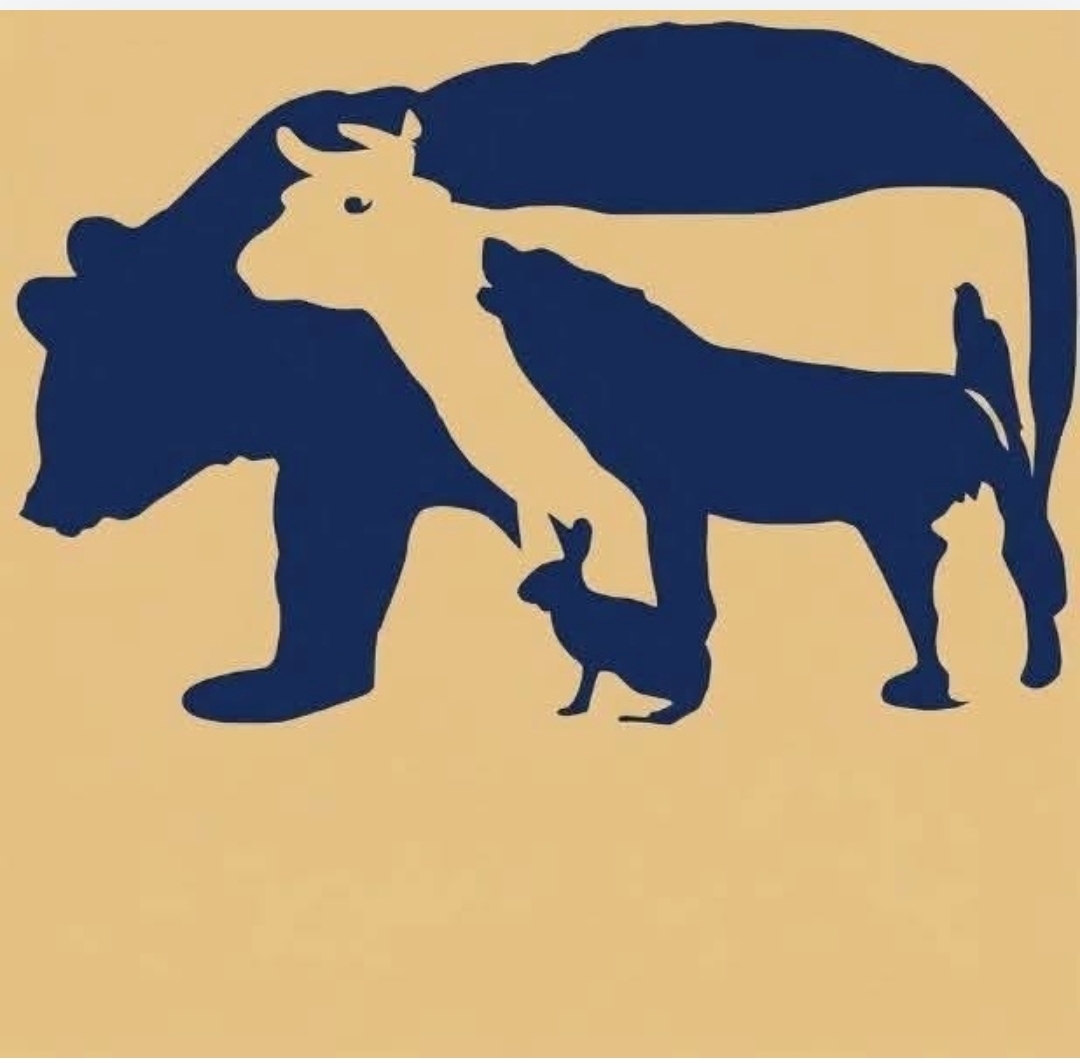
reset. Step away for a few minutes, ask someone else to look with fresh eyes, or try verbalizing what you see, as describing the image forces your brain to process the information through a different cognitive pathway.The Psychology and Cognitive RewardsThe addictive nature of these puzzles is deeply rooted in human psychology. Discovering each hidden animal delivers a small dopamine hit, while the curiosity gap of wondering how many more are left keeps you engaged. Our brains naturally crave pattern completion, making the sudden recognition of a hidden shape, often called an Aha moment, deeply satisfying and highly shareable.Beyond entertainment, these exercises offer genuine cognitive benefits. They improve visual processing, enhance attention to detail, strengthen pattern recognition, develop flexible thinking, and train selective attention.The Artistry of the IllusionCrafting these visual puzzles is a delicate art form. It requires a deep understanding of Gestalt psychology, mastery of negative space, and knowledge of how the human brain processes visual information. The artist must possess the skill to create ambiguous shapes and the patience to test and refine the design. The most successful puzzles strike a perfect balance between difficulty and clarity, ensuring the animals are challenging to find but undeniably there upon careful inspection, while delivering unexpected placements that make the final discovery deeply rewarding.Frequently Asked QuestionsMany people wonder why they cannot see all the animals even after being told they exist. This happens because the brain has already established a visual map of the scene, making it difficult to override that initial perception. Resetting your view by looking at the image from a distance or turning it upside down can help break this mental block.Another common question is whether there is a correct number of animals. The answer depends on the designer’s intent. While some figures are deliberately placed, others might be the result of pareidolia, meaning the official count is usually determined by the creator. People see different numbers of animals due to variations in visual processing styles, prior experience with such puzzles, cognitive flexibility, and attention span.Fortunately, these puzzles are excellent for children, as they help develop visual discrimination, patience, creative thinking, and attention to detail. To find hidden animals faster, try scanning systematically from top to bottom, looking for familiar features like ears or tails, checking overlapping areas, and taking regular breaks.Final ThoughtsUltimately, hidden animal puzzles are more than just a form of entertainment. They serve as a fascinating window into how our brains construct reality from raw visual information. They remind us that seeing is not a passive act of the eyes, but an active, creative interpretation by the mind. Every time you struggle to find a hidden creature, you are experiencing the limits of your attention, the power of your expectations, and the incredible pattern-matching abilities of your brain.The next time you encounter one of these illusions, embrace the challenge. Look at the spaces between the shapes, defocus your eyes, and turn the image upside down. When you finally spot that elusive hidden animal, savor that moment of realization, as it is your brain rewiring itself in real time. How many animals did you find, and which ones were the trickiest to spot? Share your count and let us see who can uncover them all.
The Hidden Animals Puzzle: Understanding the Cognitive Science Behind Optical Illusions